
Published 29 Apr 2026
Why Bangladeshi Food Is Not The Same As Indian Or Pakistani Food
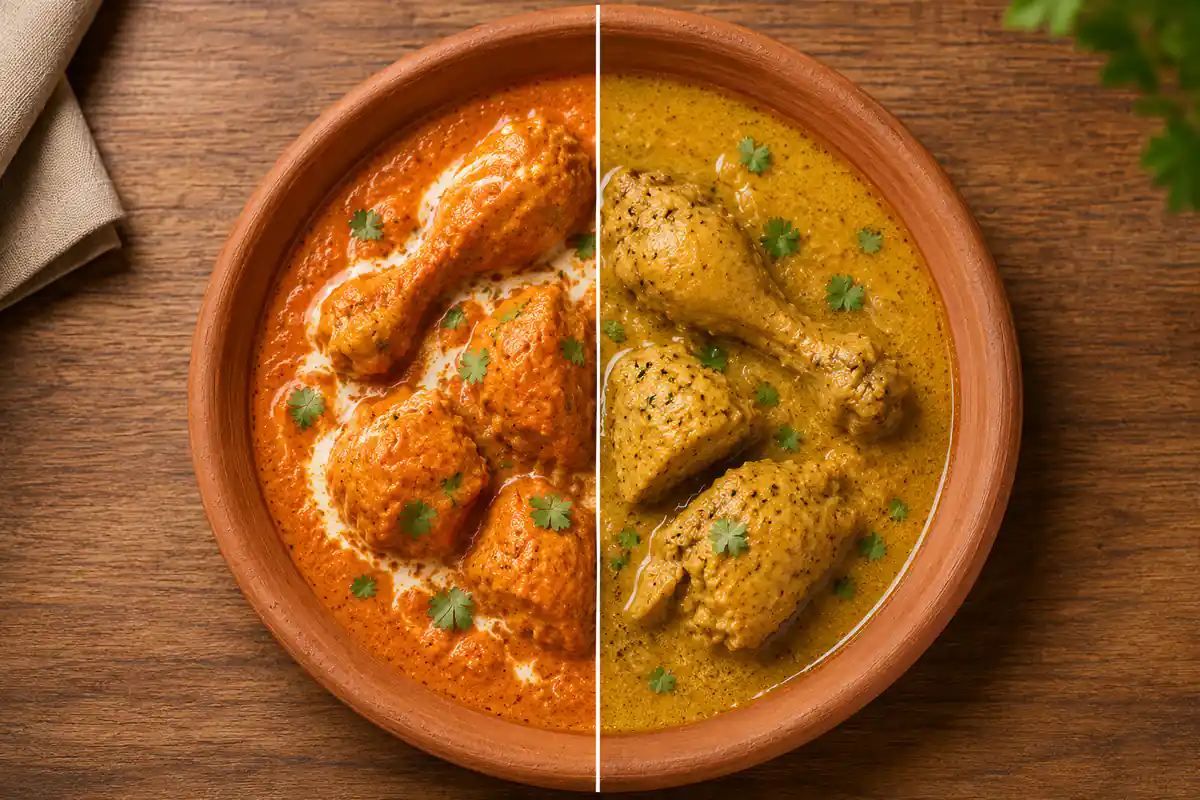
Bangladeshi food can look familiar beside Indian or Pakistani food, but the daily table, fish culture, mustard notes, rice focus, and bhorta traditions make it its own cuisine.
By Panta Jol · Updated 05 Oct 2026
Many people first describe Bangladeshi food by comparing it with Indian or Pakistani food. That is understandable because the region shares history, rice, wheat, lentils, spices, and many cooking words. But once you eat a full Bangladeshi meal, the difference becomes clear. The centre of the plate is often rice, fish, dal, bhorta, light jhol, or a slow bhuna that tastes homely rather than restaurant-heavy.
River and rice traditions
Bangladesh is shaped by rivers, wetlands, and the Bay of Bengal. Fish is not just a special dish; it is a normal part of family eating. Hilsa, rui, katla, pabda, chingri, and many smaller fish appear in fried dishes, mustard gravies, sour broths, and simple curries. This gives Bangladeshi meals a river-and-rice identity that feels different from many North Indian or Pakistani meat-led restaurant menus.
How Bangladeshi flavour is built
Another difference is the way flavour is built. Bangladeshi cooking often uses mustard oil, green chilli, onion, turmeric, coriander, cumin, and panch phoron in a direct, aromatic way. The goal is not always a thick cream sauce or a very heavy masala. A good jhol can be light and clean. A good bhorta can be smoky, sharp, and comforting with just mashed vegetables, mustard oil, onion, chilli, and salt.
Where the cuisines overlap and differ
Pakistani food is often known internationally for grilled meats, kebabs, nihari, karahi, and rich meat dishes. Indian food is extremely broad, from South Indian dosa to Punjabi butter chicken to Bengali fish curry. Bangladeshi food overlaps with Bengali traditions but has its own everyday rhythm: rice, fish, dal, bhorta, bhaji, bhuna, pickles, and seasonal vegetables.
Why the name matters
That is why Bangladeshi food deserves to be named properly. It is not a smaller version of another cuisine. It is a river-country cuisine: rice-forward, fish-loving, mustard-scented, comfort-focused, and made for family-style eating.
Frequently asked questions
Is Bangladeshi food the same as Indian food?
Not exactly. As explained above, Bangladeshi cooking centres on rice, fish, dal, bhorta and mustard flavour, with its own everyday rhythm rather than being a smaller version of Indian or Pakistani cuisine.
Is Panta Jol's Bangladeshi food halal?
Yes, Panta Jol serves a halal food menu. Contact the team directly if you need ingredient or preparation details for a particular dish.
Where can I order authentic Bangladeshi food in Shah Alam or KL?
Browse the live menu at pantajol.com/menu and order for delivery or pickup in selected Shah Alam, KL and Selangor areas, depending on order size, distance, rider availability and schedule.